


 Rated 4.8/5 | Over 12,000 Happy Customers
 Backed by our Happiness Guarantee. Love it or it's on us.


Why Non‑Alcoholic Drinks Are Set to Dominate 2026 Bars & Homes

The fastest-growing menu section at your favorite bar is not tequila or wine. It’s the one that makes everyone feel included and social without signing up for a headache later. Non-alcoholic drinks are no longer a side option or a compromise. They are becoming the default choice for more people, more often.
What’s changing is not just alcohol consumption. People are rethinking when, why, and how often alcohol shows up. That shift is quietly reshaping bar menus, grocery carts, and the way hosting looks at home.
In this blog, we’ll break down what’s driving the change, why bars are investing in zero-proof menus, why homes are stocking better options, and how to choose alcohol-free options that still feel like a real cocktail.
The New Baseline: What “Non-Alcoholic Drinks” Means in 2026
In 2026, non-alcoholic drinks no longer mean sugary sodas or watered-down substitutes. The category has matured, and expectations are clearer. Today’s landscape includes:
- Zero-proof cocktails and spritzes built around flavor, texture, and aroma, minus spirits.
- Alcohol-free alternatives that mirror beer or wine styles without intoxication.
- Adult social drinks that lean bitter, botanical, spicy, or citrus-forward instead of sweet.
A good zero-proof beverage should feel intentional. It should be sipped slowly, retain its flavor, and be served in proper glassware. This shift isn’t about “drinking less isnt fun.” It’s about having better options for more occasions.
To see how brands are intentionally building this category, it helps to browse a modern zero-proof cocktail menu.
The Sober Curious Trend and Flexible Drinking
The primary driver of this shift is flexibility. The sober curious trend reflects a desire to feel good tomorrow without opting out of social life today.
In real life, this looks like:
- Choosing alcohol-free options on weeknights.
- Mixing alcoholic and non-alcoholic rounds in the same evening.
- Planning mindful social drinking around sleep, workouts, workdays, and mood.
This behavior is increasingly framed as moderation rather than restriction. Alcohol now focuses more on balance and well-being than abstinence alone, helping normalize flexible drinking patterns.
5 Reasons Non-Alcoholic Drinks Win In Bars

Bars are not adding zero-proof sections out of politeness. They are responding to demand and opportunity. Mocktails trend growth reflects practical wins behind the bar.
-
Inclusivity Sells: A strong alcohol-free option lets everyone order something that feels real, not like a backup.
-
Better Taste and Craft: Modern zero-proof menus use citrus oils, botanicals, spice, bitterness, and carbonation to create drinks that feel thoughtfully made and satisfying, inspiring confidence in your choices.
- More Occasions, More Rounds: Guests who pace with non-alcoholic options often stay longer and keep ordering.
- Premiumization Without the Proof: A thoughtfully built zero-proof beverage can command a higher price when it looks and tastes intentional.
- Menus Are Shifting With Demand: There’s a continued growth in no- and low-alcohol categories through 2026, pushing bars to build real programs rather than token mocktails.
Zero-proof sections work best when they’re treated like the rest of the menu. When the options taste intentional, people order another round.
At home, the shift is even more obvious. Hosting should not require everyone to drink alcohol to feel included. That's why stocking quality non-alcoholic Drinks has become a pantry essential, making entertaining easier and more inclusive for everyone.
At home, the shift is even more obvious. Hosting should not require everyone to drink alcohol to feel included. That’s why non-alcoholic drinks are becoming a pantry essential.
What’s changing:
- Low-Effort Entertaining: Ready-to-drink, single-serve options replace the need for complicated mixing.
- Weeknight Ritual: A cocktail moment without sacrificing sleep or mornings.
- More Flavour, Less Sugar: Adults want drinks that are not syrupy.
Adult non-alcoholic beverages were forecasted to exceed $1B in U.S. off-premise sales by the end of 2025. That supports increased shelf space and innovation going into 2026.
How To Spot Non-Alcoholic Drinks That Sip Like Cocktails

Here’s a simple framework we use when choosing non-alcoholic drinks that feel grown-up and satisfying. Look for:
- A bitter backbone (tonic-style profiles, citrus peel, botanicals)
- Heat or spice (ginger, pepper, jalapeño-style notes)
- Aromatics (herbs like basil or rosemary-style blends)
- Carbonation and texture that slow sipping
At home, presentation still matters. Chill it cold, use real ice, and add one garnish for aroma. Even simple pours feel elevated when treated like cocktails, not substitutes.
Your 2026 Game Plan: Build A Better Alcohol-Free Rotation
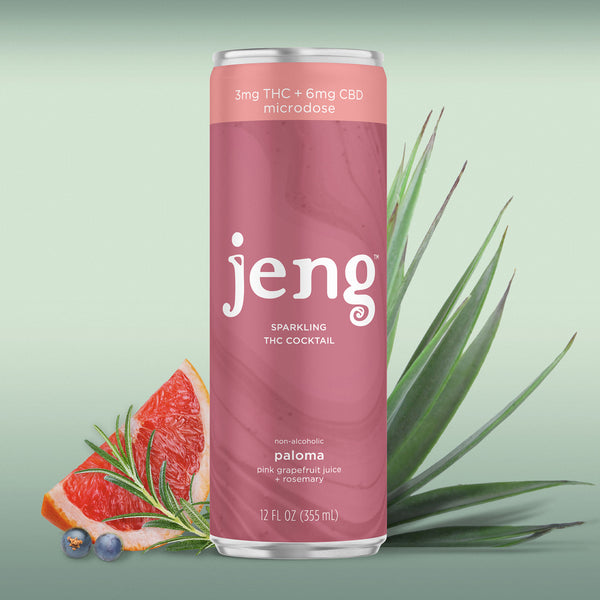
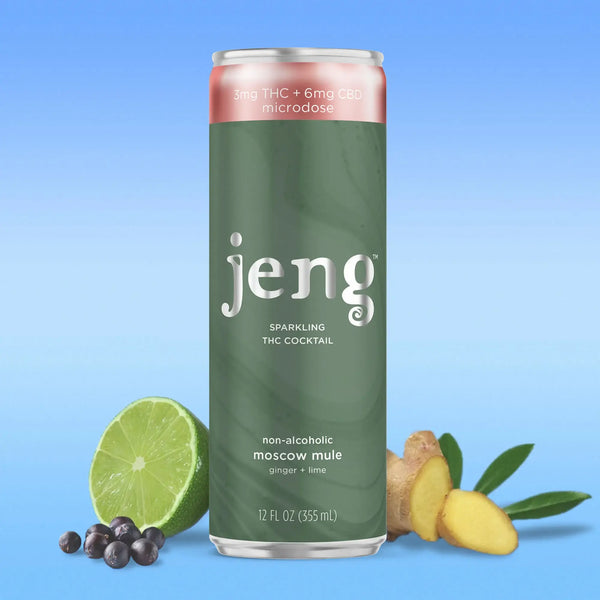
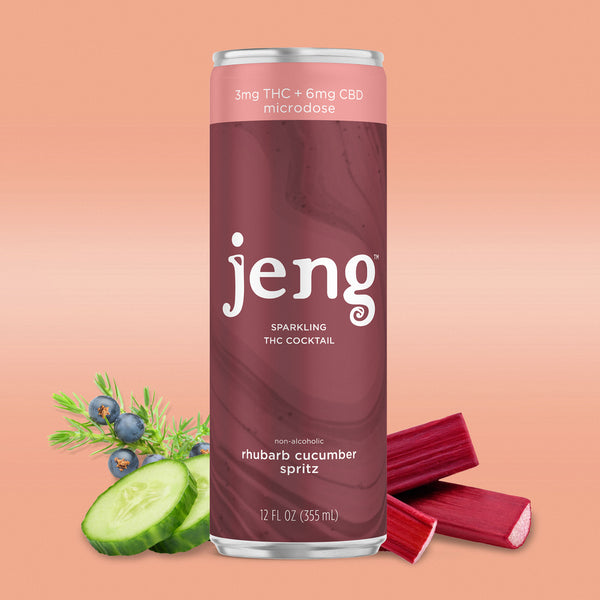
This shift is not about restriction. It’s about expansion. Here’s how it shows up in real life:
- For Bars: Expect dedicated zero-proof sections and more adult flavor profiles.
- For Hosting: Plan one alcohol-free option that feels intentional, not secondary.
- For Weeknights: Keep a few reliable cans chilled so habit does not decide for you.
As the sober curious trend matures, flexibility becomes the norm. More choices. More control.
Explore Zero-Proof Cocktails That Still Feel Social
2026 belongs to options that make everyone feel included. The rise of non-alcoholic drinks shows that flavor, ritual, and connection do not require alcohol.
If you’re exploring this shift at home, starting with a curated mix helps. The Starter Pack offers six flavors in one place.
Start with Jeng’s Starter Pack (6-pack) and keep your zero-proof rotation stocked.


